The Essential Guide to Embedded Software Firmware for Developers
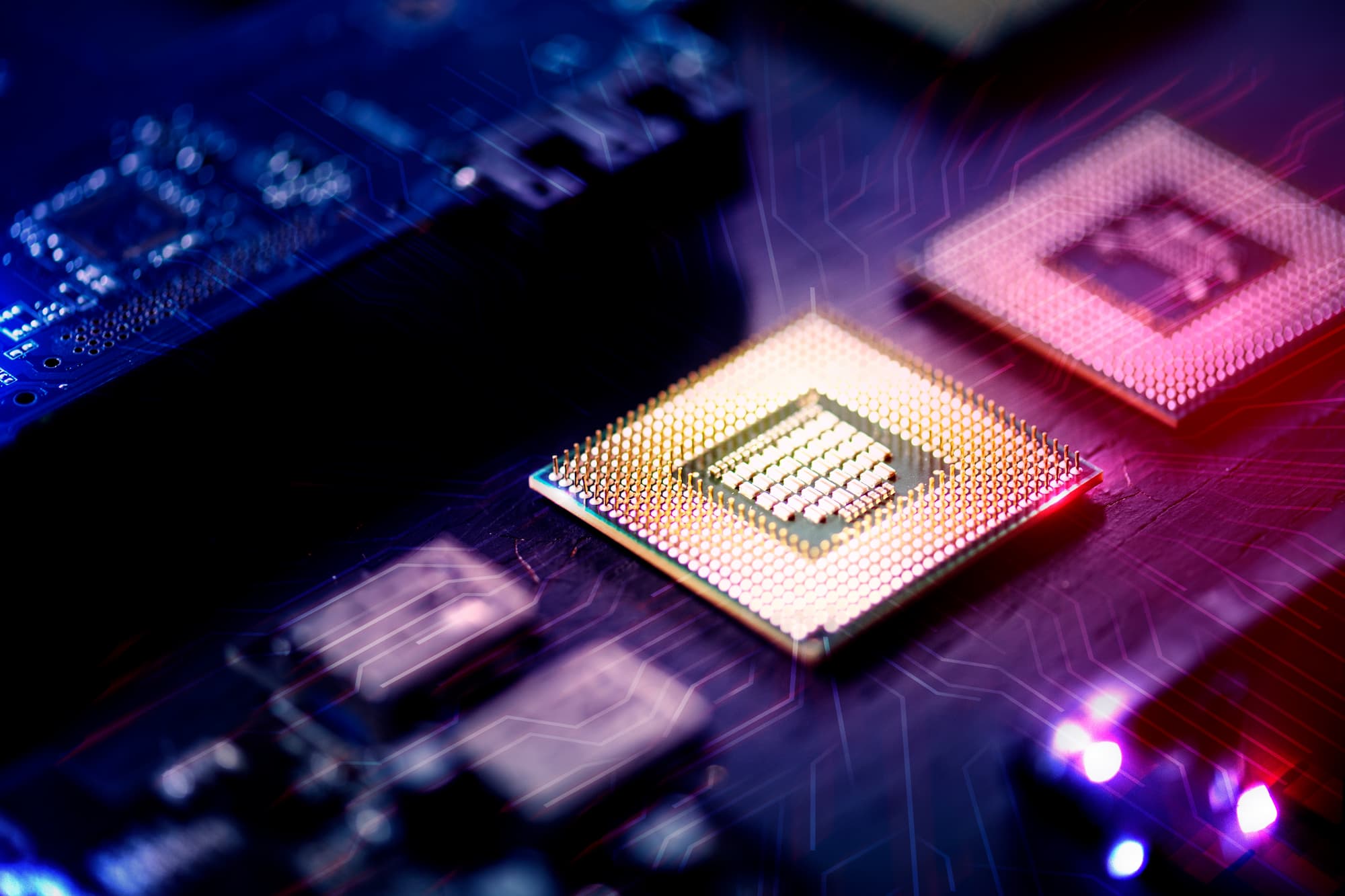
Embedded software firmware is a crucial component in the realm of modern technology. For developers diving into this field, understanding firmware's role and intricacies can be the key to unlocking new levels of functionality and efficiency in embedded systems. This guide will provide a comprehensive overview of embedded software firmware, offering insights and practical advice to help you navigate this essential aspect of development.
What Is Embedded Software Firmware?
At its core, embedded software firmware refers to specialized software designed to control and manage hardware in embedded systems. Unlike general software applications, firmware operates at a low level, closely interacting with the hardware to provide fundamental control and functionality. It’s the bridge between the hardware and the higher-level software applications that developers work on.
Firmware is embedded directly into the hardware, often stored in non-volatile memory such as ROM or flash memory. It typically controls basic functions and provides a platform for more complex applications. This makes it a critical component for ensuring that embedded systems operate reliably and efficiently.
Why Is Firmware Important?
Firmware plays several vital roles in embedded systems:
Hardware Control: Firmware provides low-level control over hardware components. This includes managing inputs and outputs, handling device initialization, and ensuring proper operation of peripheral devices.
System Stability: By controlling the hardware directly, firmware helps maintain system stability. It ensures that hardware components operate correctly, reducing the risk of crashes and malfunctions.
Performance Optimization: Efficient firmware can significantly enhance the performance of an embedded system. It ensures that hardware resources are used optimally, leading to faster and more reliable operation.
Security: Firmware often includes security features to protect the system from unauthorized access or tampering. It can implement encryption, secure boot processes, and other measures to safeguard data and functionality.
Key Considerations for Firmware Development
Developing effective firmware requires careful consideration of several factors:
Hardware Specifications: Understanding the hardware you're working with is crucial. Firmware must be tailored to the specific requirements and capabilities of the hardware components, ensuring compatibility and optimal performance.
Resource Management: Embedded systems often have limited resources, including memory and processing power. Efficient firmware design is essential to make the best use of these resources without causing performance issues.
Debugging and Testing: Firmware development can be challenging due to the low-level nature of the software. Comprehensive debugging and testing are essential to identify and resolve issues. Emulators, debuggers, and hardware testing tools can assist in this process.
Updates and Maintenance: Firmware may need to be updated or patched over time. Implementing mechanisms for firmware updates and ensuring that the update process is secure and reliable are important aspects of firmware development.
Best Practices for Firmware Development
To ensure successful firmware development, consider the following best practices:
Modular Design: Break down firmware into modular components. This approach makes the code more manageable and easier to test. Modular design also facilitates reuse and simplifies updates.
Documentation: Maintain thorough documentation of the firmware code and its functionality. Clear documentation helps in understanding the code, troubleshooting issues, and making future modifications.
Efficient Coding: Use efficient coding practices to optimize performance. Avoid unnecessary code and ensure that algorithms are optimized for the specific hardware.
Security Measures: Incorporate robust security measures into the firmware. This includes implementing encryption, securing data storage, and ensuring secure communication protocols.
Continuous Integration: Integrate firmware development into a continuous integration (CI) pipeline. Automated testing and integration help identify issues early and streamline the development process.
Trends in Firmware Development
As technology evolves, so do the practices and trends in firmware development. Some current trends include:
IoT Integration: The Internet of Things (IoT) has increased the demand for sophisticated firmware capable of handling complex interactions between devices. Firmware development for IoT systems focuses on connectivity, data management, and security.
Machine Learning: Firmware is increasingly incorporating machine learning algorithms to enhance functionality and performance. This trend is particularly relevant in applications requiring real-time data analysis and decision-making.
Edge Computing: With the rise of edge computing, firmware development is focusing on enabling processing and data management closer to the source of data. This approach reduces latency and improves system responsiveness.
Automated Testing: The adoption of automated testing tools and methodologies is on the rise. Automated testing helps ensure firmware reliability and performance, reducing manual testing efforts.
Conclusion
Embedded software firmware is a fundamental element in the design and functionality of embedded systems. Understanding its role and adhering to best practices can significantly impact the success of your development projects. By focusing on efficient coding, robust security measures, and staying abreast of industry trends, developers can create effective firmware that enhances system performance and reliability.
Whether you're new to firmware development or looking to refine your skills, this guide provides a solid foundation for understanding and excelling in this critical aspect of embedded systems. Embrace these insights and best practices to advance your expertise and drive innovation in your firmware projects.
To Know More About Embedded software firmware


