How Embedded Software Automotive Solutions Transform Modern Vehicles
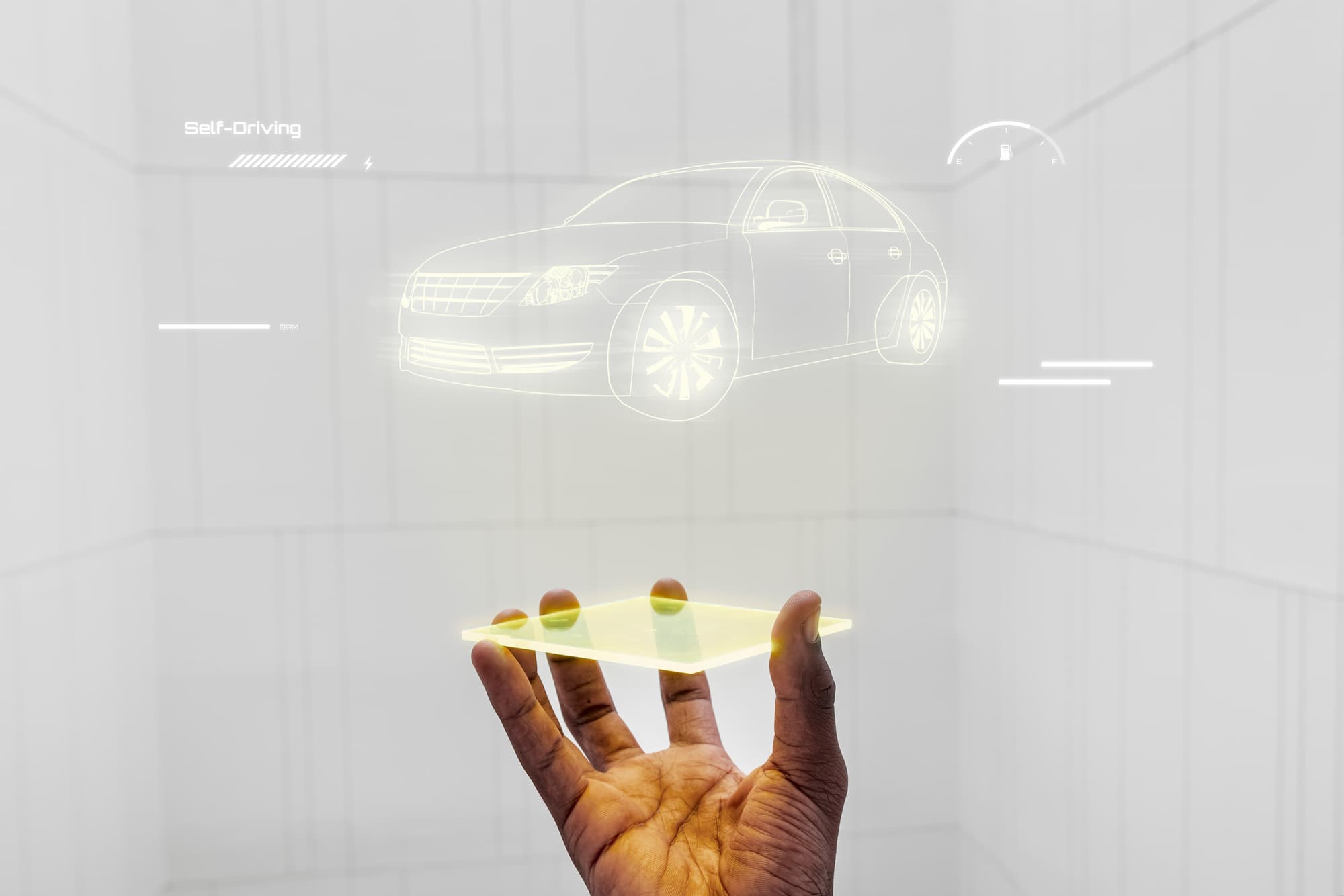
The automotive industry is undergoing a profound transformation, largely driven by advances in embedded software solutions. As vehicles become more connected, autonomous, and efficient, the role of embedded software in shaping these innovations cannot be overstated. Let’s delve into how embedded software automotive is revolutionizing modern vehicles and what this means for the future of driving.
The Rise of Embedded Software in Vehicles
Embedded software refers to specialized programs built into hardware to perform dedicated functions. In the automotive realm, this software is integral to everything from engine control units to advanced driver-assistance systems (ADAS). As vehicles evolve, the demand for sophisticated embedded solutions has surged, leading to smarter, more capable cars.
Enhancing Safety with Advanced Driver-Assistance Systems (ADAS)
One of the most significant impacts of embedded software is in enhancing vehicle safety. ADAS systems, powered by embedded software, are now commonplace in modern vehicles. These systems include features like adaptive cruise control, lane-keeping assistance, and automatic emergency braking. By processing data from sensors and cameras in real-time, these systems can alert drivers to potential hazards, help them stay in their lane, and even take corrective actions to avoid accidents.
For example, lane departure warning systems use embedded software to monitor the vehicle's position within the lane. If the vehicle begins to drift, the system alerts the driver or even provides steering inputs to help correct the drift. This proactive approach to safety helps reduce the risk of collisions and keeps drivers more aware of their surroundings.
Driving Efficiency with Engine Control Units (ECUs)
Embedded software also plays a critical role in optimizing vehicle performance and fuel efficiency through engine control units (ECUs). Modern vehicles often have multiple ECUs managing various aspects of the engine and drivetrain. These units use sophisticated algorithms to adjust fuel injection, ignition timing, and other parameters to ensure that the engine operates efficiently under varying conditions.
For instance, embedded software can adjust the air-fuel mixture in real-time based on driving conditions and engine load. This dynamic adjustment helps improve fuel economy and reduce emissions, aligning with increasingly stringent environmental regulations. As a result, drivers benefit from better performance and lower operating costs.
Enabling Connectivity with Infotainment Systems
Today's vehicles are not just about getting from point A to point B; they are also hubs of connectivity and entertainment. Embedded software is at the heart of advanced infotainment systems, which integrate with smartphones, provide navigation, and offer a range of multimedia options.
Modern infotainment systems use embedded software to manage everything from touchscreens and voice recognition to internet connectivity and app integration. This software allows drivers to access navigation services, stream music, and use hands-free communication, all while keeping their focus on the road. The seamless integration of these features enhances the driving experience and keeps drivers connected.
Supporting Autonomous Driving Technologies
Perhaps the most exciting frontier in automotive technology is autonomous driving. Embedded software is crucial in the development and deployment of self-driving vehicles. These vehicles rely on a complex network of sensors, cameras, and processors, all managed by advanced embedded software systems.
Self-driving cars use embedded software to analyze data from their surroundings and make real-time decisions about navigation and safety. For instance, the software can interpret sensor data to detect pedestrians, other vehicles, and obstacles, allowing the vehicle to navigate through traffic, park itself, or change lanes autonomously. This technology holds the promise of reducing human error and transforming how we interact with our vehicles.
Improving Vehicle-to-Everything (V2X) Communication
Embedded software is also enhancing communication between vehicles and their environment through Vehicle-to-Everything (V2X) technologies. V2X communication enables vehicles to exchange information with other vehicles, infrastructure, and even pedestrians. This capability can improve traffic management, reduce congestion, and enhance safety.
For example, V2X technology can enable vehicles to communicate with traffic signals to optimize traffic flow. If a vehicle approaches a red light, the system can provide a notification to the driver or adjust the vehicle's speed to minimize stops. This type of communication helps create a more efficient and safer driving experience.
The Future of Embedded Software in Automotive
As automotive technology continues to advance, the role of embedded software will only grow more significant. We can expect to see further innovations in areas like electric vehicles (EVs), where embedded software will manage battery performance and charging infrastructure, and in connected vehicle ecosystems, where cars will become more integrated with smart city infrastructure.
The ongoing development of embedded software solutions promises to make vehicles even safer, more efficient, and more connected. With these advancements, the driving experience will continue to evolve, offering new levels of convenience, safety, and enjoyment for drivers.
Conclusion
Embedded software automotive is at the forefront of transforming modern vehicles, driving advancements in safety, efficiency, connectivity, and autonomous driving. As technology continues to evolve, the role of embedded software will remain central to shaping the future of transportation. The impact of these solutions is profound, making vehicles smarter, safer, and more capable than ever before.
Embracing these technological advancements not only enhances the driving experience but also aligns with the broader trends toward smarter, more connected, and more sustainable transportation solutions. The future of automotive technology is here, and embedded software is leading the way.
To Know More About Embedded software automotive


