A Comprehensive Guide to Effective Embedded Software Development
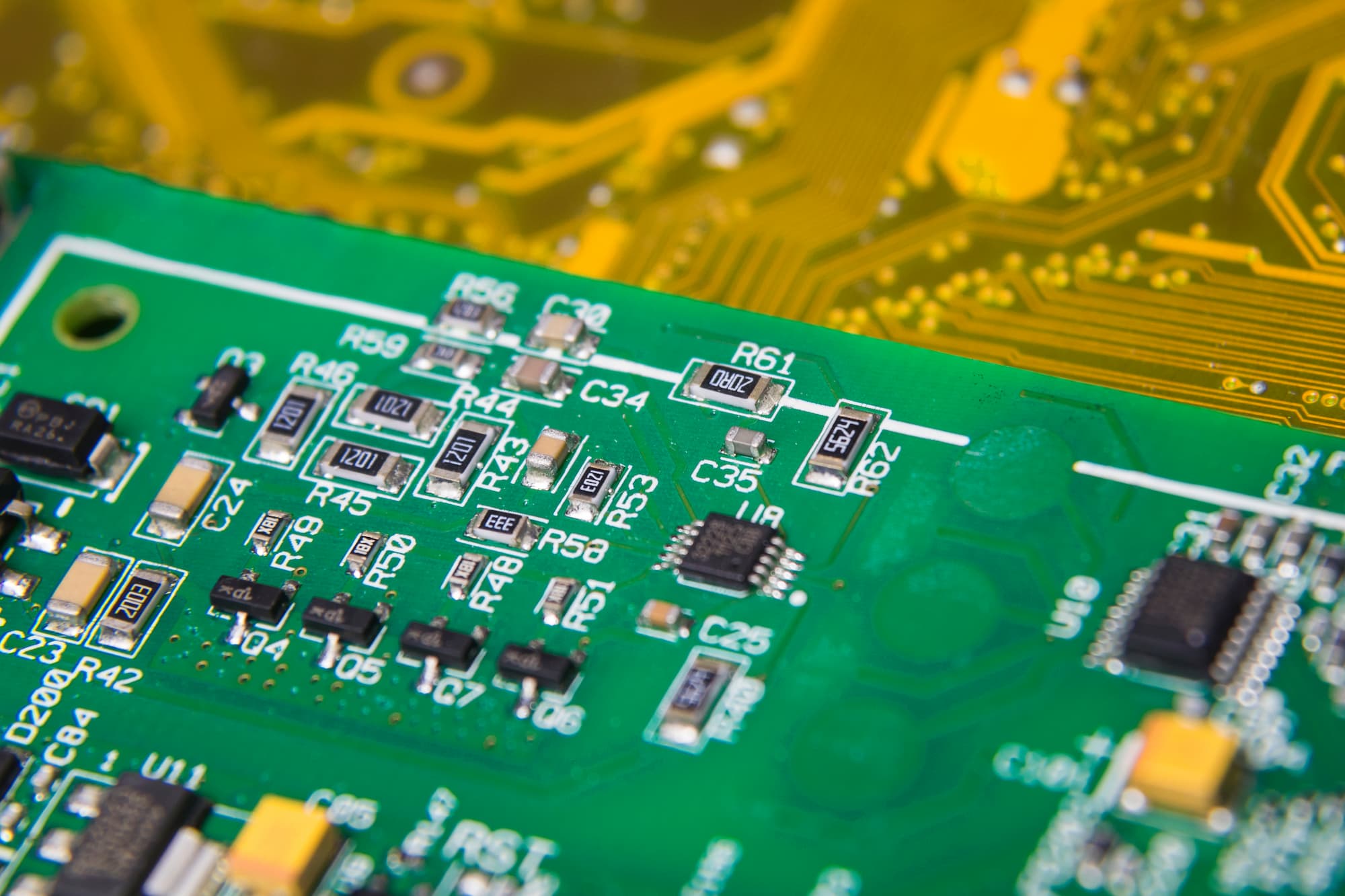
Embedded software development is a crucial field that powers a multitude of devices and systems we interact with daily, from smartphones to industrial machines. For engineers and developers, mastering the nuances of embedded software is essential for creating efficient, reliable, and innovative solutions. In this comprehensive guide, we'll explore the core aspects of effective embedded software development, providing you with practical insights and strategies to excel in this dynamic field.
Understanding Embedded Software Development
Embedded software refers to specialized programming designed to operate hardware systems. Unlike general-purpose software, which runs on personal computers or servers, embedded software is tailored to specific tasks and operates within embedded systems. These systems are integral to various applications, including consumer electronics, automotive controls, medical devices, and industrial automation.
Key Principles of Embedded Software Development
Real-Time Performance
One of the defining characteristics of embedded systems is their real-time performance requirements. Embedded software often needs to perform tasks within strict timing constraints. This is especially critical in applications like automotive safety systems or medical devices where delays can lead to significant consequences. Effective embedded software development involves designing systems that meet these real-time requirements reliably and efficiently.
Resource Constraints
Embedded systems typically operate with limited resources, including memory, processing power, and energy. Developers must write software that maximizes these resources without compromising performance. Techniques such as code optimization, efficient data handling, and power management are essential in managing these constraints effectively.
Modular Design
Modular design is a best practice in embedded software development. By breaking down the software into smaller, manageable modules, developers can simplify the development process, improve code reuse, and enhance maintainability. Each module should have a specific function and interface clearly defined, making it easier to test and integrate with other components.
Hardware-Software Integration
Embedded software must work seamlessly with hardware components. This requires close collaboration between software developers and hardware engineers to ensure compatibility and performance. Understanding the hardware architecture, including microcontrollers, sensors, and actuators, is crucial for effective software development.
Development Process
Requirements Analysis
The first step in any embedded software project is understanding the requirements. This involves gathering information on what the software needs to achieve, including performance specifications, user needs, and hardware constraints. Clear, detailed requirements help guide the development process and ensure that the final product meets expectations.
System Design
Once requirements are defined, the next phase is system design. This involves creating a high-level architecture of the software, defining the modules and their interactions, and specifying how the software will interface with the hardware. System design is a critical phase that lays the groundwork for development and helps in managing complexity.
Implementation
During the implementation phase, developers write the actual code based on the design specifications. This stage involves translating design concepts into working software, often using languages like C or C++, which are commonly used in embedded systems. Developers need to focus on writing efficient, reliable code that adheres to best practices and standards.
Testing and Debugging
Testing is a vital part of embedded software development. It ensures that the software functions correctly and meets the specified requirements. Various testing methods, including unit testing, integration testing, and system testing, are employed to identify and fix bugs. Debugging tools and techniques are also crucial for diagnosing and resolving issues that arise during testing.
Deployment and Maintenance
After testing, the software is deployed to the target hardware. This phase involves integrating the software with the hardware, performing final checks, and preparing for production. Post-deployment, ongoing maintenance is necessary to address any issues that arise and to update the software as needed.
Best Practices for Effective Embedded Software Development
Prioritize Code Quality
High-quality code is essential for reliable and maintainable embedded software. Following coding standards, performing code reviews, and using automated tools for static analysis can help maintain code quality and prevent defects.
Optimize for Performance
Performance optimization is critical in embedded systems due to resource constraints. Techniques such as optimizing algorithms, reducing memory usage, and minimizing processing overhead can enhance the performance of embedded software.
Focus on Security
Security is an increasingly important aspect of embedded software development. Ensuring that the software is protected against vulnerabilities and attacks is crucial, especially in applications that handle sensitive data or operate in critical environments.
Emphasize Documentation
Comprehensive documentation is vital for the success of any embedded software project. It helps in understanding the system's design, facilitates troubleshooting, and aids in future maintenance and upgrades.
Stay Updated with Trends
The field of embedded software development is constantly evolving. Staying informed about the latest trends, tools, and technologies can provide a competitive edge and help in adopting best practices and innovative solutions.
Conclusion
Effective embedded software development is a complex but rewarding endeavor that plays a crucial role in modern technology. By understanding the principles of real-time performance, managing resource constraints, and following best practices, developers can create robust and efficient embedded systems. Whether you are working on consumer electronics, automotive systems, or industrial controls, mastering these principles will help you deliver high-quality solutions that meet the demands of today's technology-driven world.
To Know More About embedded software development


