Elevating Robotics with Customized Embedded Design Solutions
Introduction: The Robotics Revolution
In the ever-evolving world of technology, robotics stands at the forefront of innovation. From manufacturing to healthcare, robotics is transforming industries, making processes more efficient and precise. At the heart of these advanced machines lies a critical component—embedded design solutions. Customized embedded design not only powers these robotic systems but also tailors them to meet specific requirements, ensuring optimal performance and functionality.
The Role of Embedded Design in Robotics
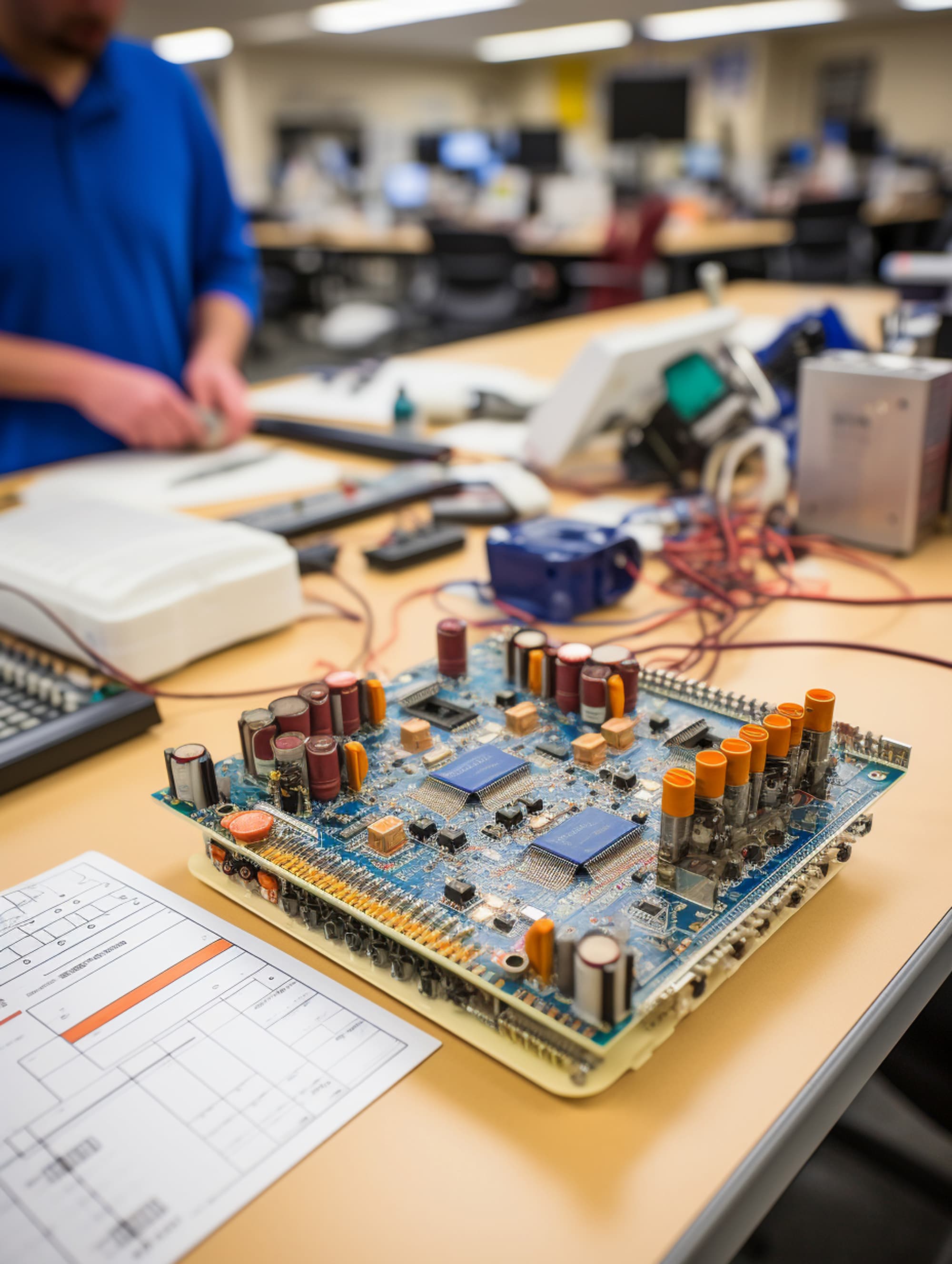
Embedded design plays a pivotal role in the development and operation of robotic systems. These designs integrate hardware and software seamlessly, allowing robots to perform complex tasks with precision. Unlike off-the-shelf solutions, customized embedded designs are engineered to meet the unique demands of specific robotic applications. This level of customization is essential in ensuring that robots operate efficiently, safely, and reliably in various environments.
For instance, in industrial automation, robots are often required to perform repetitive tasks at high speeds with minimal errors. Customized embedded solutions ensure that the hardware and software are optimized for these specific tasks, reducing downtime and increasing productivity. Similarly, in the healthcare sector, where precision and reliability are paramount, embedded systems in surgical robots are designed to perform delicate procedures with a high degree of accuracy.
Key Benefits of Customized Embedded Design Solutions
Enhanced Performance: One of the primary advantages of customized embedded design solutions is the significant boost in performance they offer. By tailoring the hardware and software to the specific needs of a robotic system, engineers can optimize processing speeds, power consumption, and overall efficiency. This ensures that the robot can perform its tasks with maximum effectiveness, whether it's assembling components on a factory floor or navigating a complex surgical procedure.
Scalability: As robotics technology continues to advance, the ability to scale systems is becoming increasingly important. Customized embedded solutions allow for scalable designs that can be easily adapted or expanded as new features or capabilities are required. This flexibility is crucial in industries where technological advancements happen rapidly, and staying ahead of the curve is essential for success.
Reliability and Safety: In applications where safety is a critical concern, such as in autonomous vehicles or healthcare, reliability is non-negotiable. Customized embedded designs ensure that robotic systems meet stringent safety standards and operate without fail. These systems are rigorously tested and validated to withstand various operating conditions, reducing the risk of malfunctions that could lead to costly or dangerous situations.
Cost-Effectiveness: While the initial investment in customized embedded design solutions may be higher than generic alternatives, the long-term benefits often outweigh the costs. Tailored solutions reduce the need for frequent updates or modifications, as they are designed with the specific application in mind. This results in lower maintenance costs and a longer lifespan for the robotic system, providing a better return on investment over time.
Applications of Customized Embedded Design in Robotics
Customized embedded design solutions are utilized across a wide range of robotic applications, each with its own set of challenges and requirements. Below are some key areas where these solutions are making a significant impact:
Industrial Automation: In manufacturing and assembly lines, robots are deployed to perform repetitive tasks with high precision. Customized embedded designs ensure that these robots operate efficiently and can be easily reprogrammed or modified to handle new tasks as production needs change.
Healthcare Robotics: In the medical field, robots are increasingly used for surgeries, rehabilitation, and patient care. These robots require embedded systems that can process complex data in real time, ensuring that they respond accurately to the needs of healthcare professionals and patients.
Agricultural Robotics: The agricultural sector is also benefiting from robotic automation, with machines designed for tasks such as planting, harvesting, and monitoring crops. Customized embedded solutions enable these robots to operate in harsh environments, ensuring durability and reliability in the field.
Service Robotics: Robots used in customer service, hospitality, and retail require embedded designs that allow them to interact effectively with humans. These systems need to process language, recognize faces, and respond to customer needs in a natural and intuitive way.
The Future of Robotics with Customized Embedded Design
As robotics technology continues to advance, the demand for customized embedded design solutions will only grow. The next generation of robots will require even more sophisticated systems capable of handling complex tasks in dynamic environments. From autonomous drones to smart home assistants, these robots will rely on embedded systems that are not only powerful but also adaptable to the ever-changing needs of their users.
Moreover, the rise of artificial intelligence and machine learning is further driving the need for customized embedded solutions. As robots become more intelligent and autonomous, the embedded systems that power them must be designed to support advanced algorithms and real-time data processing. This will enable robots to learn from their experiences, adapt to new situations, and improve their performance over time.
Conclusion: Embracing the Future with Customized Embedded Solutions
In conclusion, customized embedded design solutions are essential for the continued advancement of robotics. By offering enhanced performance, scalability, reliability, and cost-effectiveness, these tailored systems are enabling robots to perform tasks that were once thought impossible. As we look to the future, the collaboration between robotics and embedded design will undoubtedly lead to even more groundbreaking innovations, transforming industries and improving lives around the world.
For businesses and engineers alike, the key to staying ahead in the robotics revolution lies in embracing the power of customized embedded solutions. By investing in these cutting-edge technologies, they can ensure that their robotic systems are not only up to the task but also ready to meet the challenges of tomorrow.
To Know More About embedded design solutions


