The Role of Embedded Hardware in the Automotive Industry Evolution
The automotive industry is undergoing a remarkable transformation, driven by the rise of embedded hardware. As cars become increasingly sophisticated, embedded systems are at the heart of this evolution, reshaping how vehicles operate and interact with their drivers. This blog explores the significant role embedded hardware plays in the automotive sector's advancement, highlighting key trends and innovations that are steering the industry into the future.
Understanding Embedded Hardware in Modern Vehicles
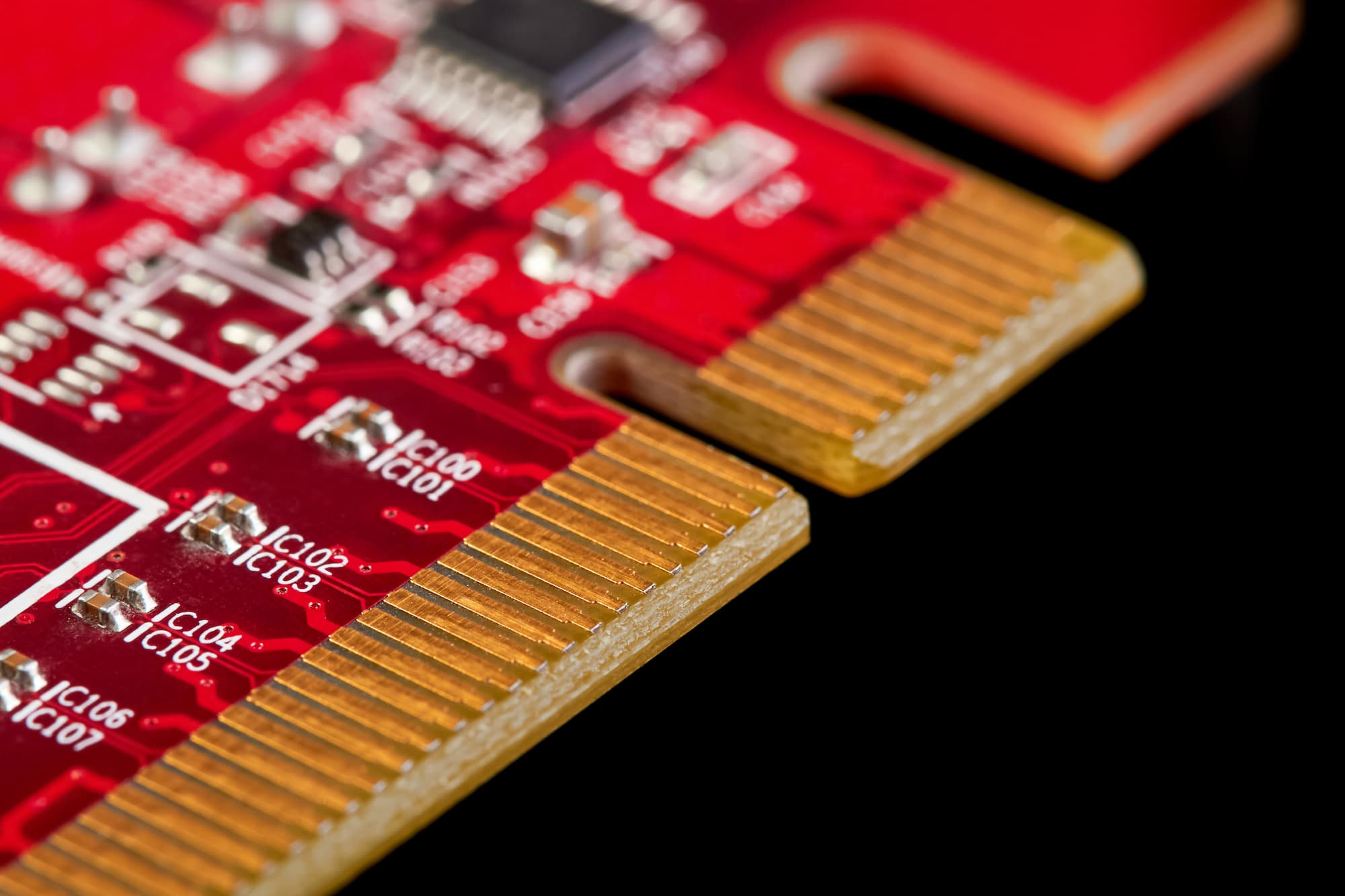
Embedded hardware refers to specialized computer systems designed to perform specific tasks within larger systems. In the automotive industry, embedded hardware includes a range of components such as microcontrollers, sensors, and processors that enable various functionalities within a vehicle. These components are crucial for the seamless operation of advanced systems like driver assistance technologies, infotainment systems, and vehicle-to-everything (V2X) communication.
Key Functions of Embedded Hardware in Automotive Applications:
Advanced Driver Assistance Systems (ADAS): Embedded hardware powers ADAS features like adaptive cruise control, lane-keeping assistance, and automatic emergency braking. These systems rely on real-time data from sensors and cameras, processed by onboard computers to enhance safety and driving comfort.
Infotainment Systems: Modern vehicles come equipped with sophisticated infotainment systems that offer navigation, entertainment, and connectivity features. Embedded hardware enables these systems to deliver a user-friendly interface, seamless connectivity, and integration with various apps and services.
Vehicle-to-Everything (V2X) Communication: V2X technology allows vehicles to communicate with each other and with infrastructure elements like traffic signals and roadside sensors. Embedded hardware facilitates this communication, improving traffic management, safety, and efficiency.
Innovations Driving Automotive Embedded Systems
The automotive industry's shift towards electric and autonomous vehicles is a major driver of innovation in embedded hardware. Here are some of the latest advancements:
Electric Vehicles (EVs): The rise of EVs has led to the development of advanced battery management systems, electric powertrains, and charging infrastructure. Embedded hardware plays a critical role in managing these components, ensuring optimal performance, safety, and efficiency.
Autonomous Driving: Self-driving cars rely heavily on embedded systems to process data from multiple sensors, including radar, LiDAR, and cameras. These systems must perform complex computations in real-time to enable safe and reliable autonomous driving.
Over-the-Air (OTA) Updates: OTA technology allows automakers to update vehicle software remotely, providing enhancements and fixes without requiring a visit to the dealership. Embedded hardware supports this capability by enabling secure and efficient software updates.
Challenges and Considerations
While the benefits of embedded hardware in automotive applications are clear, there are challenges to address:
Security: As vehicles become more connected, they are exposed to cybersecurity threats. Ensuring the security of embedded systems is crucial to protect against potential attacks and data breaches.
Integration: Integrating new embedded technologies with existing systems can be complex. Automakers must ensure compatibility and reliability across various hardware and software components.
Regulations: The automotive industry is subject to stringent regulations and standards. Embedded hardware must meet these requirements to ensure safety, performance, and compliance.
Future Trends and Outlook
The future of embedded hardware in the automotive industry looks promising, with several exciting trends on the horizon:
Artificial Intelligence (AI): AI is set to play a significant role in automotive embedded systems, enhancing capabilities in areas such as predictive maintenance, personalized driving experiences, and advanced driver assistance.
5G Connectivity: The rollout of 5G networks will enable faster and more reliable communication between vehicles and infrastructure. Embedded hardware will be instrumental in leveraging this technology to improve traffic management and enhance vehicle-to-everything communication.
Smart Infrastructure: The development of smart cities and infrastructure will further integrate embedded systems into the automotive ecosystem. This will lead to more efficient traffic flow, better road safety, and improved overall driving experiences.
Conclusion
Embedded hardware is a cornerstone of the automotive industry's evolution, driving innovations that enhance safety, comfort, and connectivity. As vehicles become more advanced and autonomous, the role of embedded systems will continue to grow, shaping the future of transportation. By staying ahead of technological trends and addressing challenges, the automotive industry can harness the full potential of embedded hardware to deliver cutting-edge solutions for drivers around the world.
In summary, the impact of embedded hardware on the automotive sector is profound and far-reaching. From enabling advanced driver assistance systems to supporting the latest advancements in electric and autonomous vehicles, embedded systems are transforming the way we drive. As we look to the future, the continued evolution of these technologies will be essential in driving the automotive industry forward, making our roads safer and our driving experiences more enjoyable.
To Know More About embedded hardware


